
Agentic AI marketing deploys autonomous, goal-driven AI agents that plan, execute, and self-correct across the B2B demand funnel, from account research and intent scoring to outbound sequencing and lead qualification, with minimal human prompting. Unlike rule-based marketing automation or single-turn generative AI, these agents use reasoning loops, tool calling, and CRM feedback to orchestrate multi-step workflows that convert buying-committee signals into sales-qualified pipeline. For B2B teams, the practical result is faster speed-to-lead, sharper ICP targeting, and measurable pipeline attribution, provided human governance, clean first-party data, and clear escalation rules stay in place.
Many teams now pair these capabilities with orchestrated multi-agent B2B marketing services so that strategy, data, and execution run as one connected system instead of a pile of disconnected tools.
What is Agentic AI Marketing?

Agentic AI marketing is the use of AI systems that pursue a defined marketing goal on their own. You give an agent an objective, such as “book 20 qualified meetings with finance directors this quarter.” The agent then breaks the goal into tasks, picks the right tools, acts, checks results, and adjusts.
That behavior separates it from earlier waves of marketing technology. A chatbot answers a question. A workflow tool follows a fixed path. An agent decides what to do next based on what it learns.
Quick Answer: Agentic AI Marketing in 5 Points
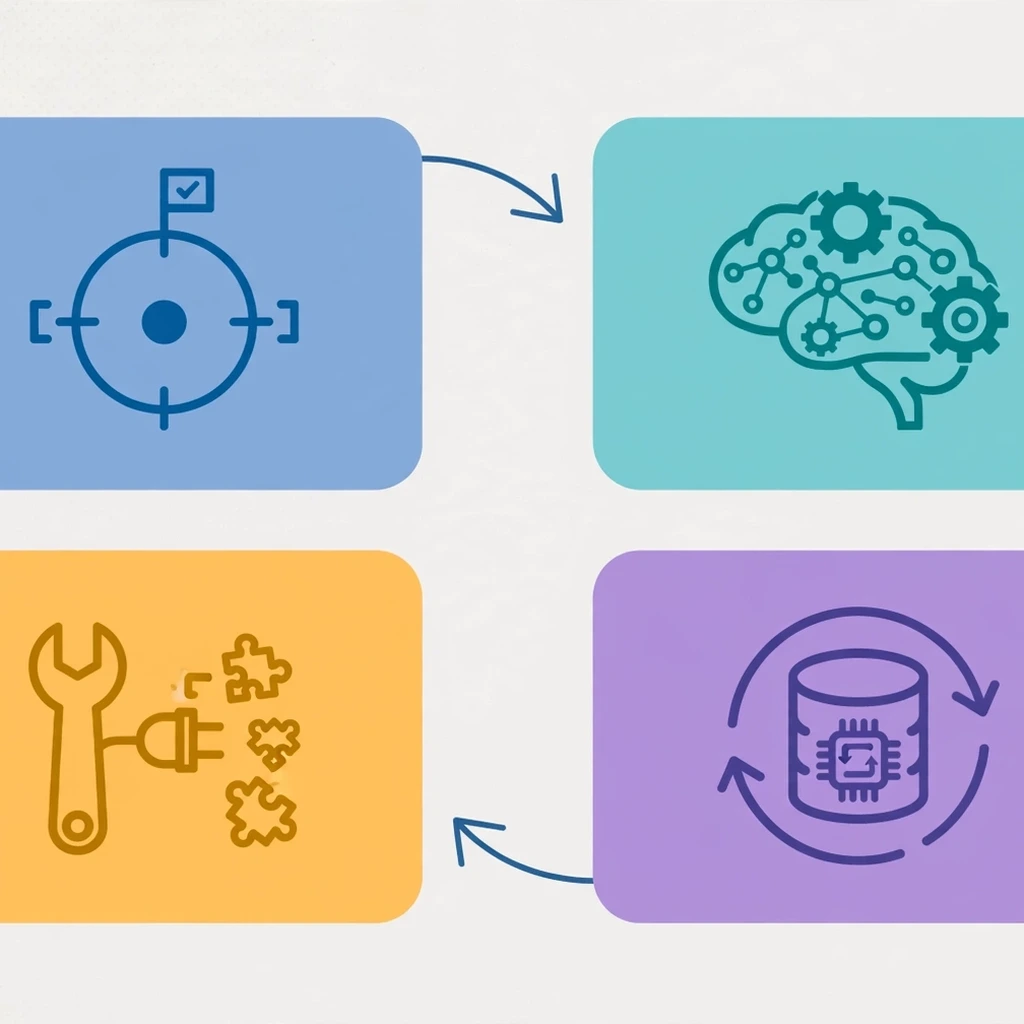
- Goal-driven: Agents work toward outcomes (meetings, pipeline), not single outputs.
- Autonomous: They plan multi-step tasks without a human prompt at every step.
- Tool-connected: They read and write to your CRM, ad platforms, email, and data sources.
- Adaptive: They learn from replies, clicks, and conversions, then change tactics.
- Governed: Humans set guardrails, approve high-risk actions, and review performance.
The Core Components of an Agent
Every marketing agent has four building blocks. Understanding them helps you evaluate vendors and design your own workflows.
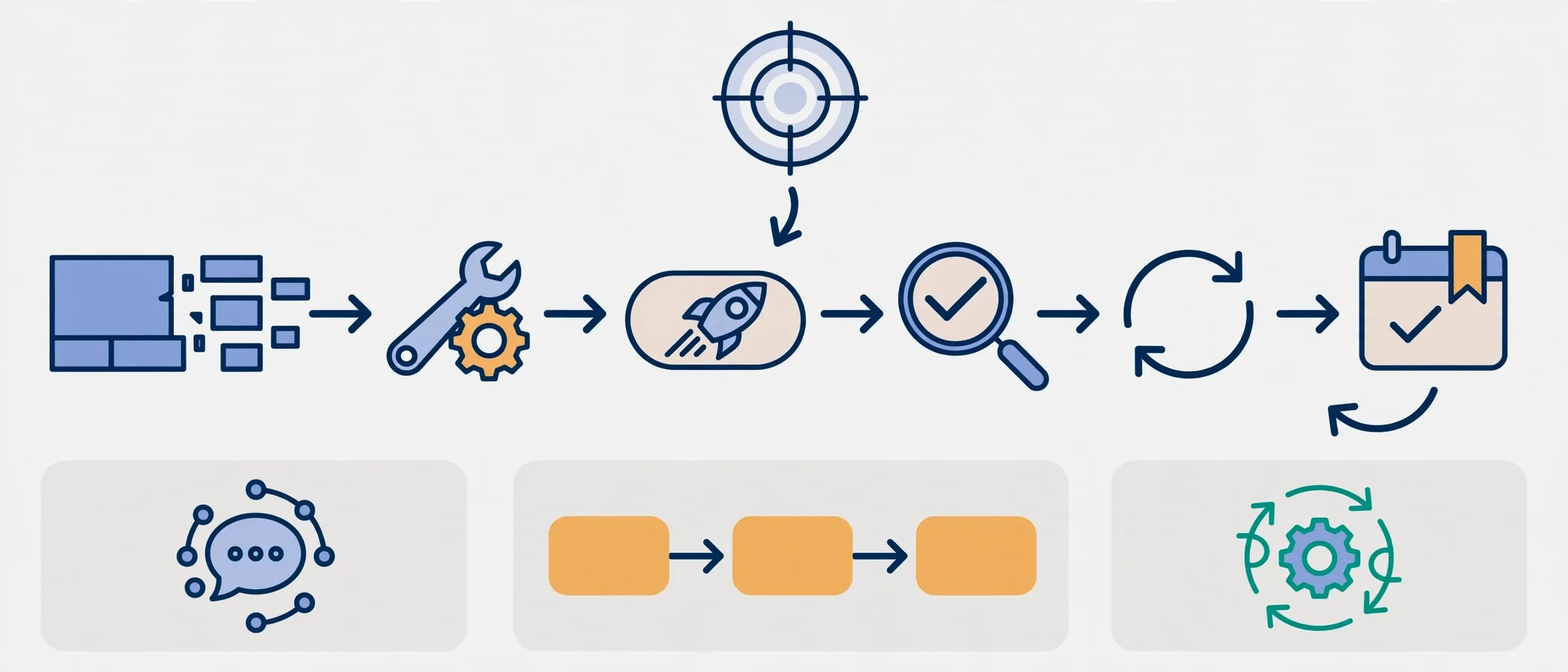
- Goal and constraints: The objective, the budget, the brand voice, and the compliance limits.
- Reasoning engine: A large language model that plans steps and decides next actions.
- Tools and integrations: APIs for your CRM, enrichment data, email, ads, and analytics.
- Memory and feedback: Stored context about accounts, past messages, and results, so the agent improves over time.
Agentic AI Marketing vs. Marketing Automation vs. Generative AI
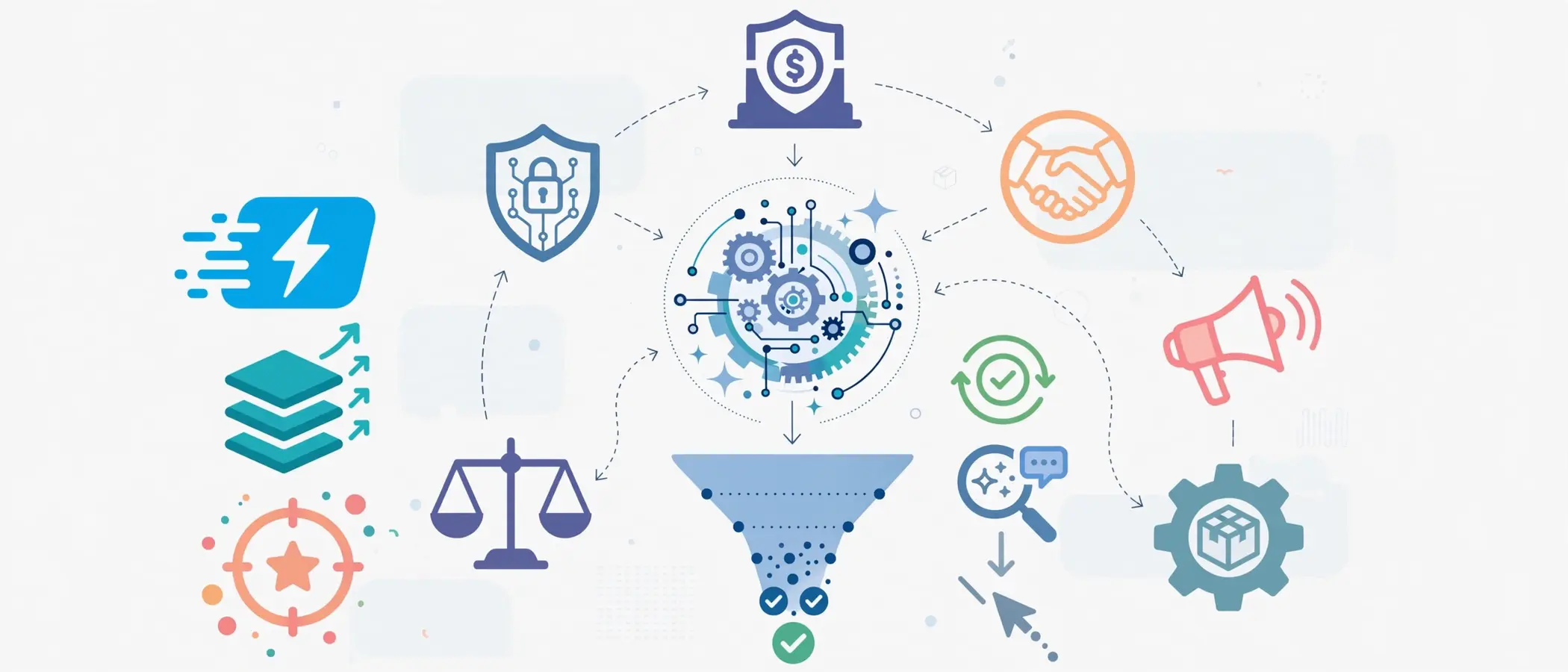
Many buyers confuse these three categories. Each solves a different problem, and the differences affect cost, risk, and results.
Marketing automation runs rules you write in advance. Generative AI creates content when you ask. Agentic AI marketing combines reasoning with action, so it can decide what content to create, who should receive it, and when to follow up.
Comparison Table: Three Approaches to B2B Marketing Technology
| Capability | Marketing Automation | Generative AI Assistant | Agentic AI Marketing |
|---|---|---|---|
| How it works | Fixed if/then rules | Responds to one prompt at a time | Plans and executes multi-step goals |
| Human input needed | High (setup and every change) | High (prompt every task) | Low (set goals and guardrails) |
| Adapts to results | No | Only if you ask it to | Yes, through feedback loops |
| Uses live data and tools | Limited to the platform | Rarely | Yes, across CRM, ads, email, and intent data |
| Best use | Predictable nurture flows | Drafting copy and ideas | Research, outreach, qualification, and optimization |
| Main risk | Rigid and slow to change | Generic output | Needs strong governance |
The takeaway is simple. Agents do not replace automation or generative tools. They sit on top of them and coordinate the work.
Why Agentic AI Marketing Matters for B2B Lead Generation
B2B buying has grown harder to reach. Committees now include six or more stakeholders, and buyers research on their own long before they talk to sales. Meanwhile, AI-generated answers in search reduce clicks to websites.
Google’s own guidance on AI features in Search confirms that search results increasingly present synthesized answers. As a result, teams that measure success only by organic traffic miss the bigger picture. Leads, pipeline, and revenue matter more.
Agentic AI marketing responds to these pressures in four ways:
- Speed: Agents respond to a high-intent signal in minutes, not days.
- Scale: One agent can research hundreds of accounts without losing quality.
- Personalization: Agents tailor messages to role, industry, and recent company events.
- Consistency: Agents follow up on every lead, so fewer opportunities slip through.
However, scale without strategy creates noise. The strongest programs connect agents to a clear demand generation strategy that moves buyers from awareness to pipeline, then let the agents execute within that plan.
What Agents Do Better Than Humans (and What They Don’t)
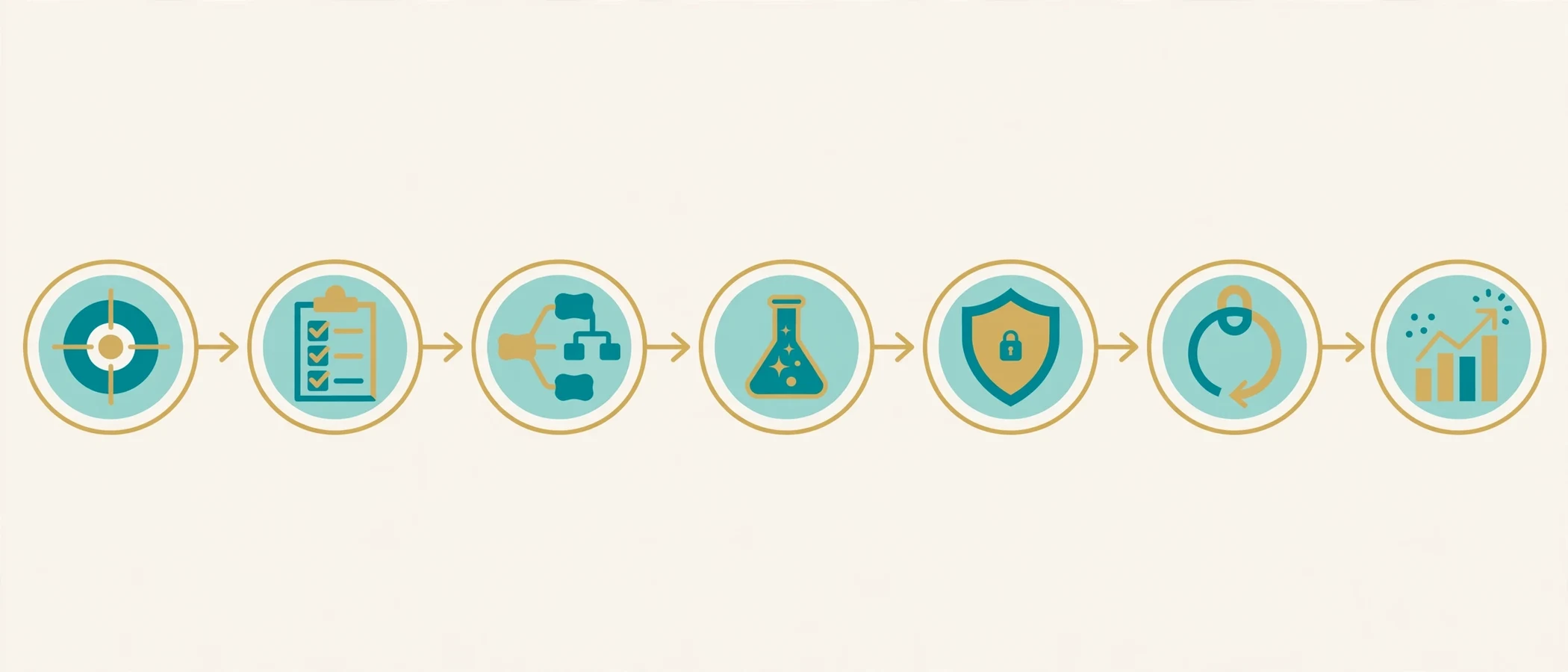
Agents excel at repetitive, data-heavy work. They monitor signals around the clock, update records, and draft first-touch messages. Humans still win at nuance, negotiation, and relationship building.
Treat agents as tireless junior teammates. Give them well-defined jobs, then review their work where the stakes are high.
The Agent Roles Inside an Agentic AI Marketing Stack
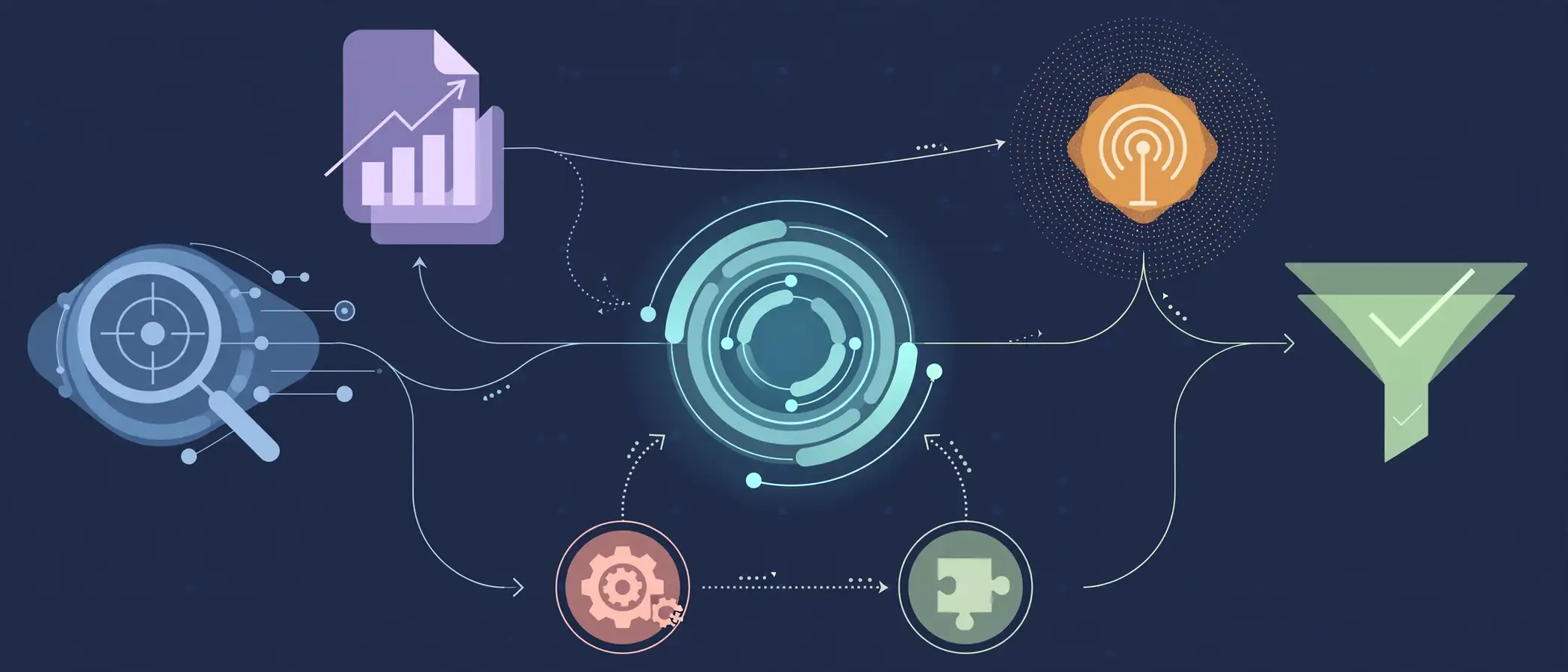
A mature program rarely relies on one “super agent.” Instead, it uses several specialized agents that pass work to each other. This design keeps each agent focused and easier to audit.
1. The Research and ICP Agent
This agent builds and refreshes your target account list. It reviews firmographics, technographics, hiring trends, funding news, and leadership changes. Then it scores each account against your ideal customer profile.
Practical output includes:
- A ranked list of accounts with a short reason for each score
- A map of likely buying-committee roles
- Alerts when a target account shows new buying triggers
2. The Content and SEO Agent
This agent produces briefs, drafts, and refreshes for blog posts, landing pages, and sales assets. It also watches search results for gaps and declining pages. Quality control stays critical here. Google’s guidance on creating helpful, people-first content makes clear that mass-produced, low-value pages hurt visibility.
Pair this agent with a documented B2B SEO strategy that connects keywords to revenue. The strategy defines topics and intent. The agent speeds up production, while editors protect accuracy and originality.
3. The Outbound and Engagement Agent
This agent drafts and sends personalized sequences across email and LinkedIn. It reads replies, classifies sentiment, and pauses sequences when a prospect shows interest or asks to stop. It also tests subject lines and timing.
Set firm rules for this agent. Limit daily send volume, require approval for new templates, and block sensitive claims.
4. The Lead Qualification Agent
This agent scores inbound and outbound leads using behavior, fit, and conversation data. It can ask clarifying questions through chat or email, then route qualified prospects to the right rep with a summary.
A strong qualification agent shortens speed-to-lead and gives sales cleaner handoffs. In turn, sales trusts marketing more.
5. The Orchestrator Agent
The orchestrator assigns tasks, resolves conflicts, and enforces rules. For example, it stops the outbound agent from messaging an account that the ads agent just flagged as “in active deal.”
Table: Agent Roles, Inputs, and Outputs
| Agent | Primary Inputs | Primary Outputs | Human Checkpoint |
|---|---|---|---|
| Research and ICP | Firmographics, intent, news | Ranked account list, buying roles | Monthly ICP review |
| Content and SEO | Search data, product docs | Briefs, drafts, refreshes | Editor approval before publishing |
| Outbound and Engagement | Account lists, messaging rules | Personalized sequences, reply tags | Template approval, send caps |
| Lead Qualification | Form data, behavior, chat | Scored leads, routing notes | Weekly sales feedback |
| Orchestrator | All agent logs, CRM status | Task assignment, conflict resolution | Quarterly rule audit |
Using Autonomous AI Agents Across the B2B Funnel
Agents deliver the most value when you map them to funnel stages. Each stage has different goals, data, and risks.
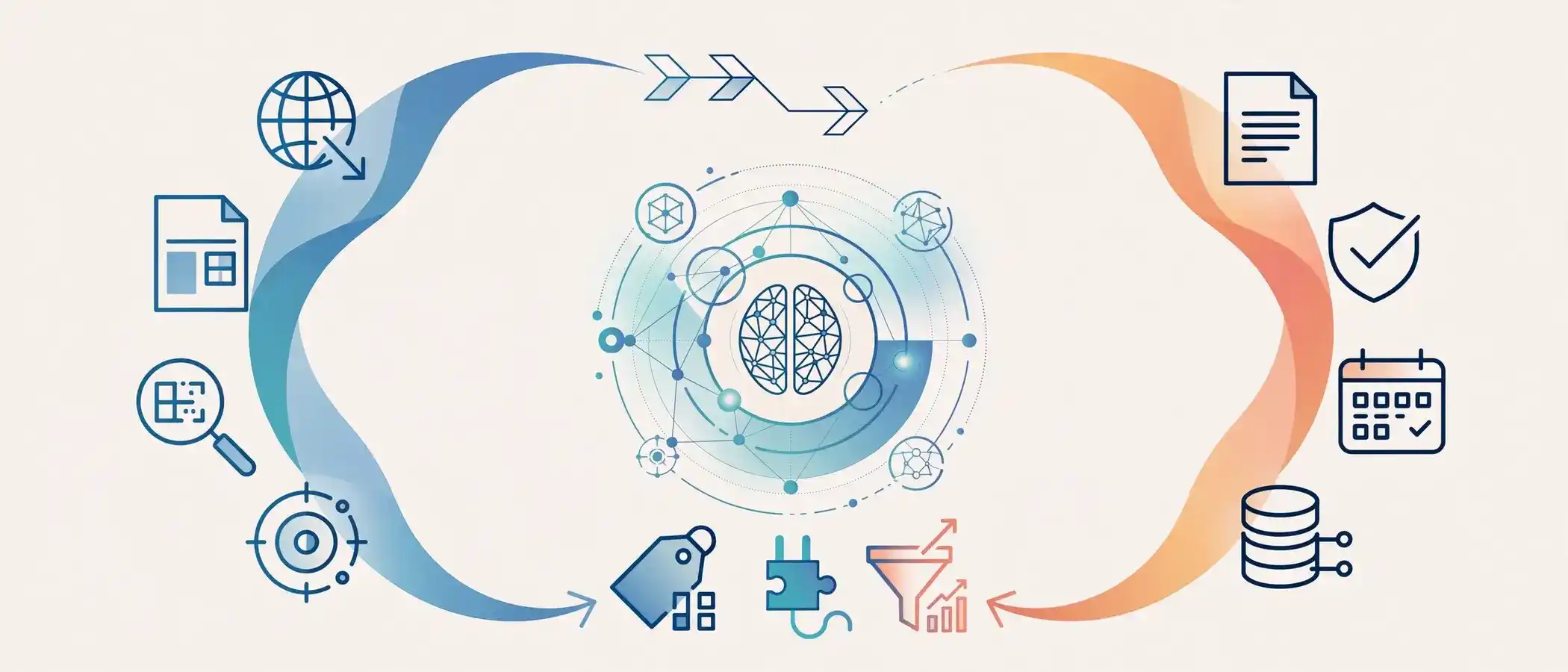
Top of Funnel: Discovery and Awareness
At this stage, agents find the right accounts and the right moments. They watch intent signals, social activity, and search trends. Then they trigger relevant content or ads.
Examples include:
- Spotting a surge in category research from a target account
- Drafting a topical article that answers a rising question
- Adjusting paid audiences based on engagement quality
Middle of Funnel: Education and Nurture
Here, agents personalize journeys for each persona. A CFO needs proof of ROI, while a technical lead needs integration details. Agents tailor emails, resources, and retargeting to match.
This stage also benefits from strong conversion assets. A well-built landing page optimized for B2B conversion gives agents a high-quality destination, and they can test headlines and proof points faster than a manual team.
Bottom of Funnel: Qualification and Handoff
Near the finish line, agents qualify intent, book meetings, and prepare sales briefs. A good brief includes account context, pages viewed, objections raised, and suggested talking points.
At this stage, agents work best in support of account-based programs. If you already run an account-based marketing approach, agents can monitor target accounts continuously and alert sellers the moment engagement spikes.
Combining Inbound and Outbound With Agentic AI Marketing
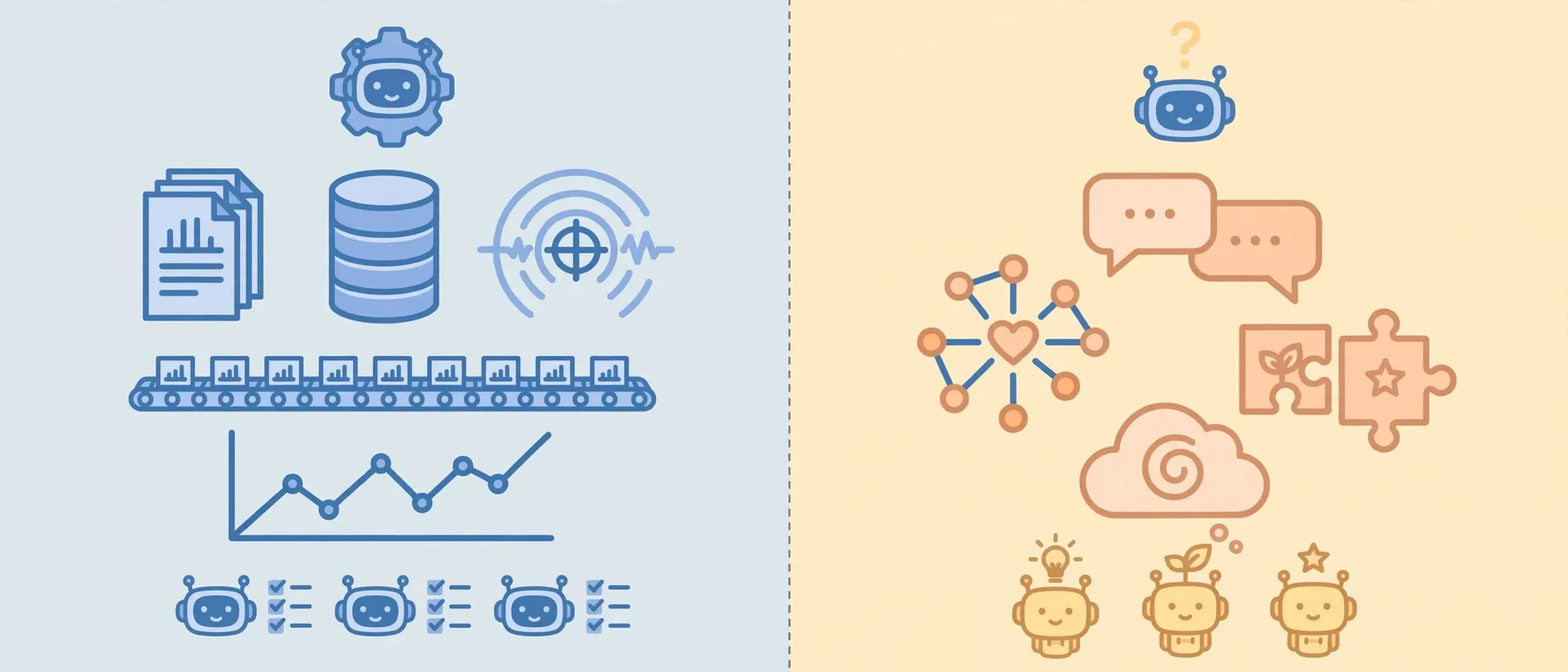
Many companies treat inbound and outbound as separate teams. Agents blur that line productively. An inbound visit can trigger an outbound task, and an outbound reply can inform inbound content.
Consider this example flow:
- A target account reads two pricing and integration pages.
- The research agent confirms the account fits your ICP.
- The outbound agent drafts a short, relevant message to the likely champion.
- The qualification agent scores the reply and books a call if intent is clear.
- The orchestrator logs the full path in the CRM for attribution.
This kind of closed loop supports a balanced B2B lead generation model that blends inbound and outbound. The agents simply make the handoffs faster and the data cleaner.
Step-by-Step: How to Launch Agentic AI Marketing in Your B2B Team
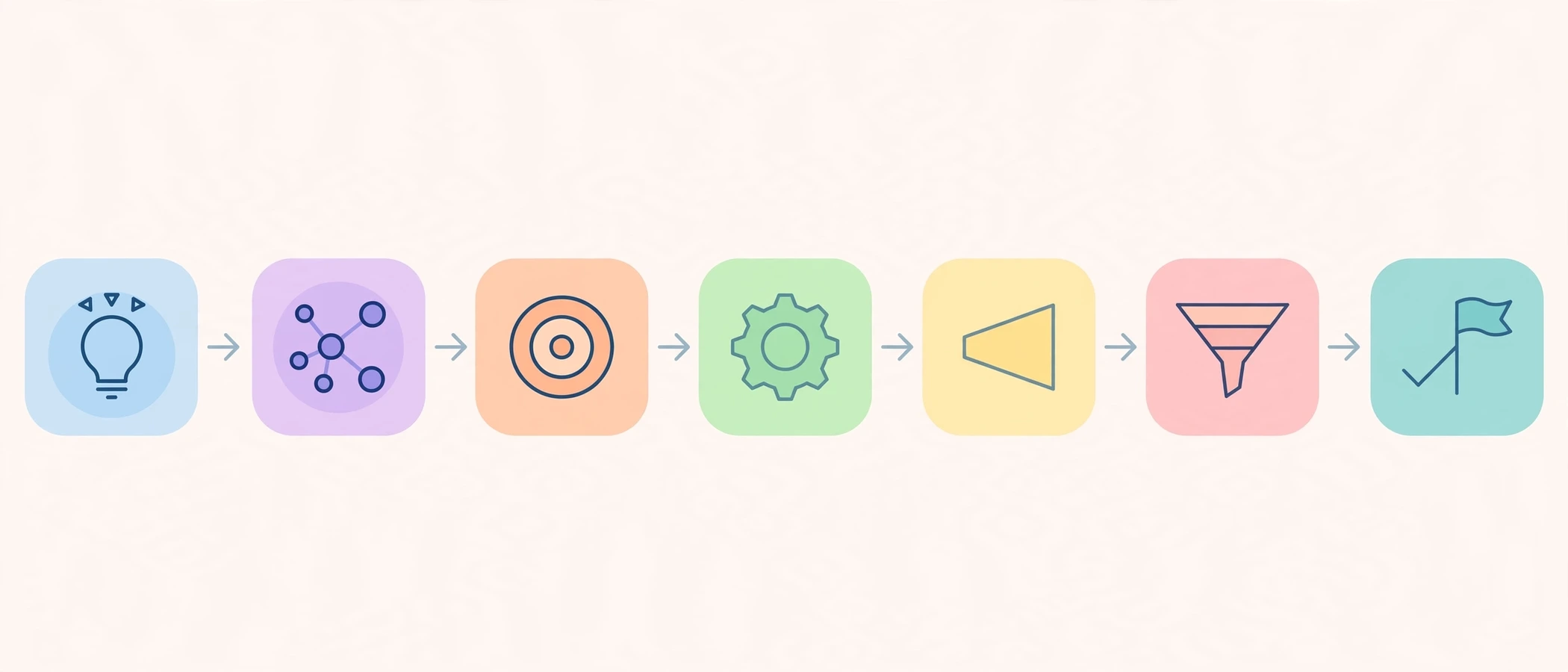
Rushing an agent rollout is the fastest way to burn budget and brand trust. Use this sequence instead.
Step 1: Define One Measurable Business Goal
Start narrow. Pick a goal such as “increase qualified meetings from mid-market accounts by 25%.” Avoid vague aims like “do more AI.”
Step 2: Audit Your Data and Systems
Agents depend on data quality. Review your CRM fields, lead statuses, and tracking. Fix duplicates, missing owners, and inconsistent lifecycle stages first.
Step 3: Choose a Single Workflow to Pilot
Select a contained workflow, such as inbound lead qualification or account research. Smaller pilots reveal problems faster and cost less.
Step 4: Write Guardrails Before You Write Prompts
Document what the agent may do, what it must never do, and when it must ask a human. Include:
- Approved claims and banned claims
- Send limits and quiet hours
- Opt-out and privacy handling
- Escalation triggers for angry or high-value replies
Step 5: Connect Tools With Least-Privilege Access
Give each agent only the permissions it needs. For example, a research agent should read CRM data but not delete records.
Step 6: Run in “Human-in-the-Loop” Mode First
For the first two to four weeks, require approval for every outbound action. Track edit rates. When approvals become routine and quality stays high, loosen controls gradually.
Step 7: Measure, Review, and Expand
Compare agent-assisted results to a baseline. If the pilot beats the baseline, add the next workflow. If not, adjust the goal, data, or guardrails before scaling.
Quick Answer: How Long Does a Pilot Take?
Most focused pilots run 6 to 10 weeks. That window covers data cleanup, setup, supervised testing, and a first read on results. Complex enterprise environments may take longer.
Governance, Data Privacy, and Compliance for Agentic AI Marketing
Autonomy raises the stakes. An agent can send hundreds of messages before a person notices a mistake. Therefore, governance must come first, not last.
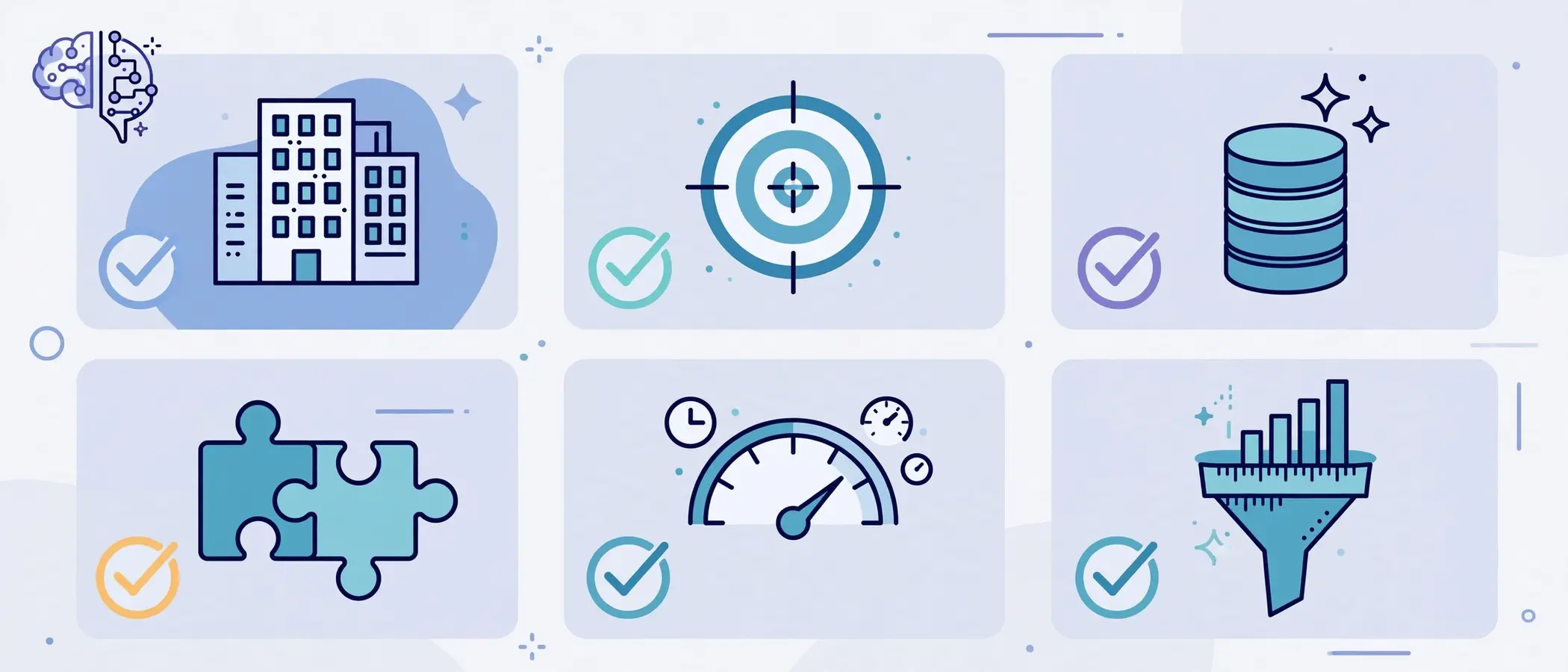
The NIST AI Risk Management Framework offers a practical structure for identifying, measuring, and managing AI risks. You do not need to adopt every detail. However, its core ideas help marketing teams: map the risks, measure performance, manage issues, and assign clear accountability.
A Practical Governance Checklist
- Ownership: Name a person accountable for each agent.
- Logging: Record every action, prompt, and data source for audits.
- Consent: Respect opt-ins, opt-outs, and regional privacy laws.
- Accuracy: Verify facts, statistics, and customer claims before sending.
- Bias review: Check that scoring models do not exclude valid segments unfairly.
- Kill switch: Make it easy to pause any agent immediately.
Regulated Industries Need Extra Care
Industries such as healthcare, finance, and legal services add strict rules about data and claims. For example, a healthcare SaaS marketing program must handle HIPAA concerns and long buying cycles with caution. In those cases, keep protected data out of agent prompts entirely and require compliance review for every template.
How to Measure Agentic AI Marketing Performance
Traffic alone no longer tells the full story. Google’s evolving search experience means fewer clicks for some queries. So measure what the business cares about.

Table: Core KPIs for Agent-Driven B2B Lead Generation
| KPI | What It Shows | Healthy Signal |
|---|---|---|
| Speed-to-lead | Time from signal to first response | Minutes, not hours |
| Marketing-qualified to sales-qualified rate | Lead quality | Rising over time |
| Meetings booked per 100 target accounts | Outbound effectiveness | Steady improvement against baseline |
| Reply quality (positive vs. negative) | Message relevance | More positive replies, fewer opt-outs |
| Cost per qualified opportunity | Efficiency | Falling as agents learn |
| Pipeline influenced | Revenue impact | Growing share of total pipeline |
| Human edit rate | Agent output quality | Declining as the system matures |
Track Both Leading and Lagging Indicators
Leading indicators, such as reply rate and meetings booked, show early results. Lagging indicators, such as pipeline and closed revenue, confirm the business impact. Review both monthly, and compare against a control group when possible.
Common Mistakes in Agentic AI Marketing (and How to Avoid Them)
Most failures come from process gaps, not technology. Watch for these pitfalls.
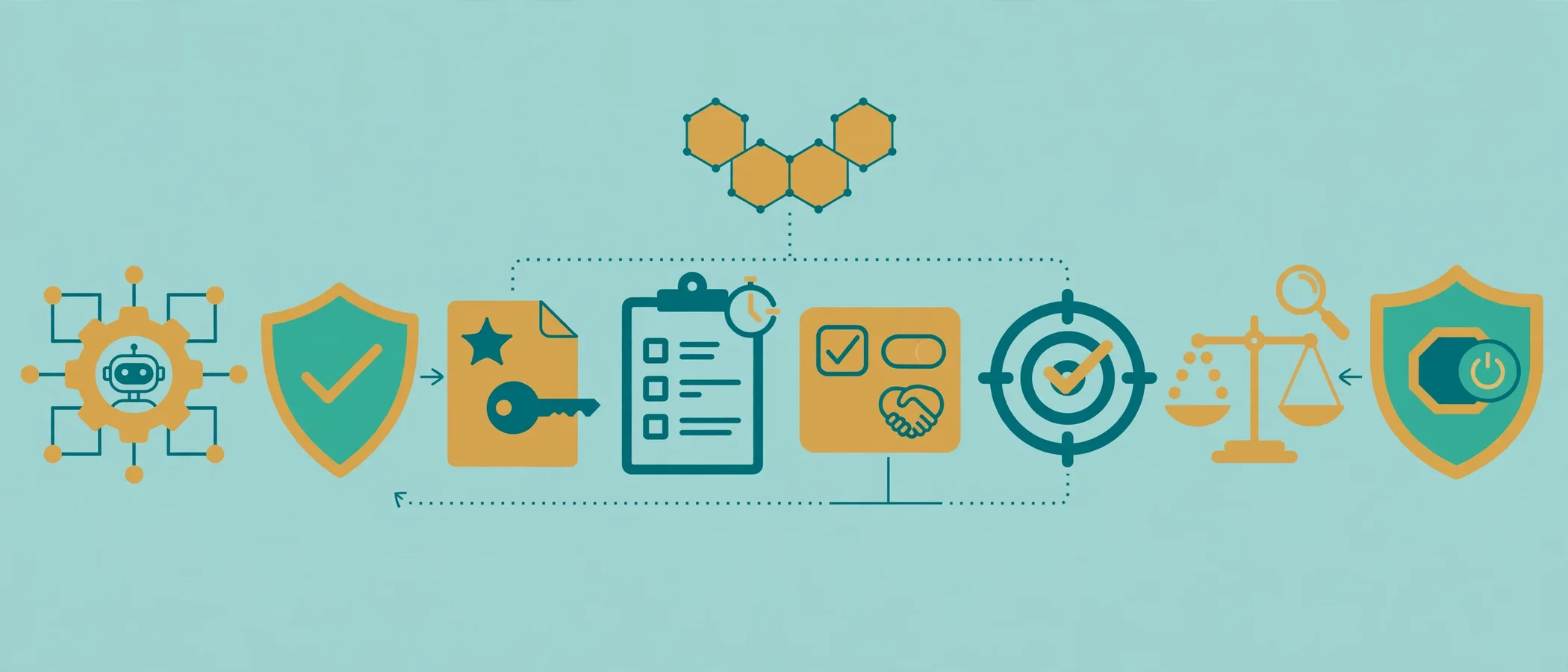
- Automating a broken process. An agent speeds up whatever you give it. If your lead routing is messy, the agent will create messy results faster.
- Skipping the guardrails. Without clear limits, agents may overpromise, spam, or contact the wrong person.
- Chasing volume over relevance. More emails rarely mean more revenue. Relevance and timing drive replies.
- Ignoring data hygiene. Duplicate or outdated records lead agents to make poor decisions.
- Removing humans too early. Review high-stakes messages and strategic accounts personally.
- Publishing unedited AI content at scale. Google’s spam policies target scaled, low-value content. Editors must add original insight, real examples, and accurate sourcing.
- Measuring vanity metrics. Opens and impressions do not equal pipeline.
- Buying tools before defining strategy. Technology works when it supports a plan. It cannot replace one.
Fix It Fast: A Simple Rule
Before you automate any step, ask: “Would I be comfortable if a prospect saw exactly what this agent did?” If the answer is no, add a control or remove the step.
Expert Tips for Getting More From Agentic AI Marketing
These practices separate high-performing teams from the rest.
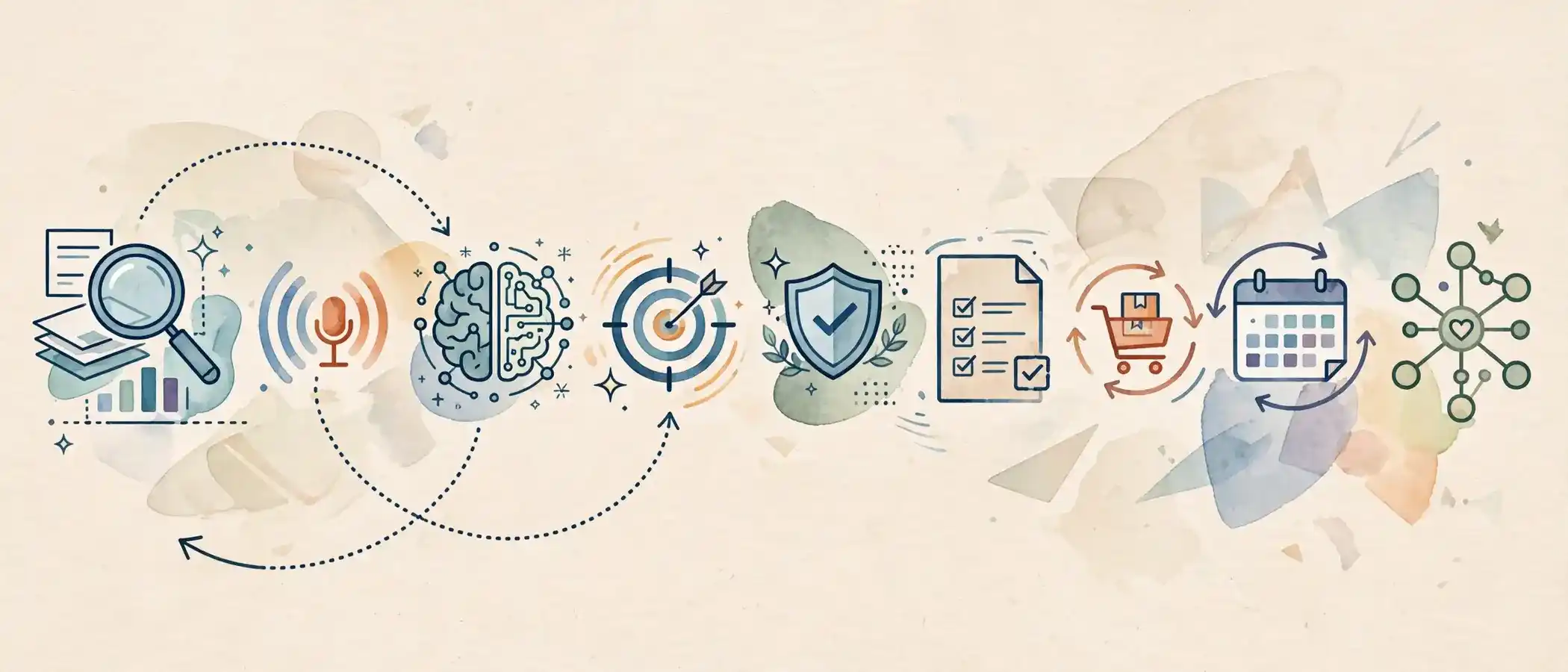
- Start with high-intent moments. Pricing page visits, demo requests, and competitor comparisons offer the best return for early agent workflows.
- Feed agents your real expertise. Share case studies, sales call insights, and product specifics. Original knowledge makes content more credible and aligns with E-E-A-T principles.
- Keep a human voice. Set a style guide with sample messages. Short, plain, and specific beats polished and generic.
- Use agents for research first. Account research is low-risk and high-value. It builds team confidence before you automate outreach.
- Close the loop with sales. Ask reps to tag good and bad leads weekly. That feedback sharpens scoring faster than any model update.
- Document everything. Keep a living playbook of prompts, rules, and lessons learned.
- Review quarterly. Markets, regulations, and tools change quickly. Revisit goals, guardrails, and vendors every quarter.
Build for People-First Content and Trust
Google rewards content that shows real experience, expertise, authoritativeness, and trust. Agents can draft and organize, but your team must verify claims, name authors, cite sources, and add first-hand lessons. Treat the agent as an accelerator for expert work, never a replacement for it.
Is Agentic AI Marketing Right for Your Team?

Agentic AI marketing fits best when you meet most of these conditions:
- You sell to defined accounts or segments with clear ICP criteria
- Your CRM data is reasonably clean and actively used
- Sales and marketing agree on lead definitions
- You have capacity for oversight and review
- You can measure pipeline, not just traffic
If several items are missing, fix the fundamentals first. Agents amplify strong systems. They also amplify weak ones.
Frequently Asked Questions About Agentic AI Marketing
What is agentic AI marketing in simple terms?
Agentic AI marketing uses AI agents that can plan and complete marketing tasks on their own to reach a goal. For example, an agent can research target accounts, write personalized outreach, send it, read replies, and book meetings. Humans set the goals and rules, and the agent handles the steps.
How is agentic AI marketing different from marketing automation?
Marketing automation follows fixed rules that people create in advance. Agentic AI marketing reasons about the situation, chooses actions, and adapts based on results. Consequently, agents handle changing conditions better, while automation suits predictable, repeatable flows.
Can agentic AI marketing improve B2B lead generation?
Yes, when you apply it to a clear workflow with clean data. Agents improve speed-to-lead, account research, and follow-up consistency. Results still depend on strategy, message quality, and human oversight.
Is agentic AI marketing safe for regulated industries?
It can be, but you need strict controls. Keep sensitive data out of prompts, require compliance review for messaging, log every action, and keep humans in the approval loop. Industries such as healthcare and finance should move more slowly and test more carefully.
Will AI agents replace B2B marketers?
No. Agents take over repetitive research, drafting, and monitoring tasks. Marketers still own strategy, brand, creative judgment, and relationships. In practice, the role shifts toward directing, reviewing, and improving agent workflows.
How do I start with agentic AI marketing?
Pick one measurable goal, audit your data, and pilot a single workflow in human-in-the-loop mode. Write guardrails first, track a baseline, and expand only after the pilot beats it. A focused six to ten week pilot is a sensible starting point.
Conclusion: Turn Agentic AI Marketing Into a Pipeline Advantage

Agentic AI marketing gives B2B teams a practical way to respond faster, personalize at scale, and keep every lead moving. The winners will not be the companies with the most agents. They will be the ones with clear goals, clean data, strong guardrails, and humans who review what matters.
Start small, pilot one workflow, and measure against real pipeline. Then expand with confidence as results prove the model. If you want a partner to design the strategy, guardrails, and execution together, build an agent-powered pipeline engine with AAMEK and turn autonomous workflows into qualified meetings.